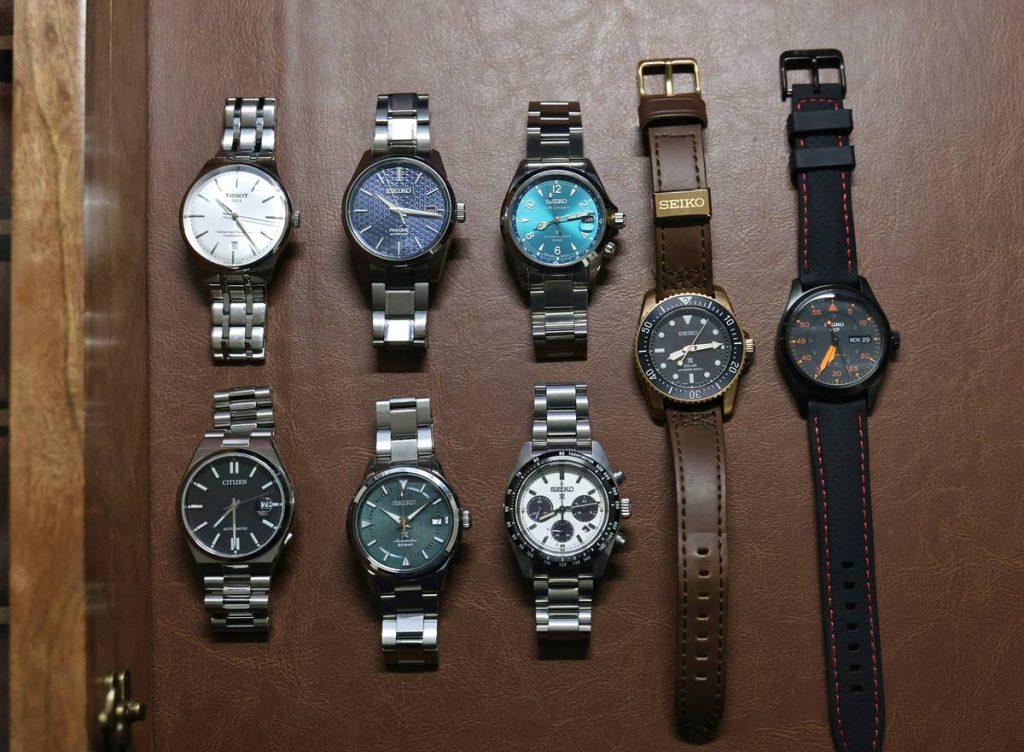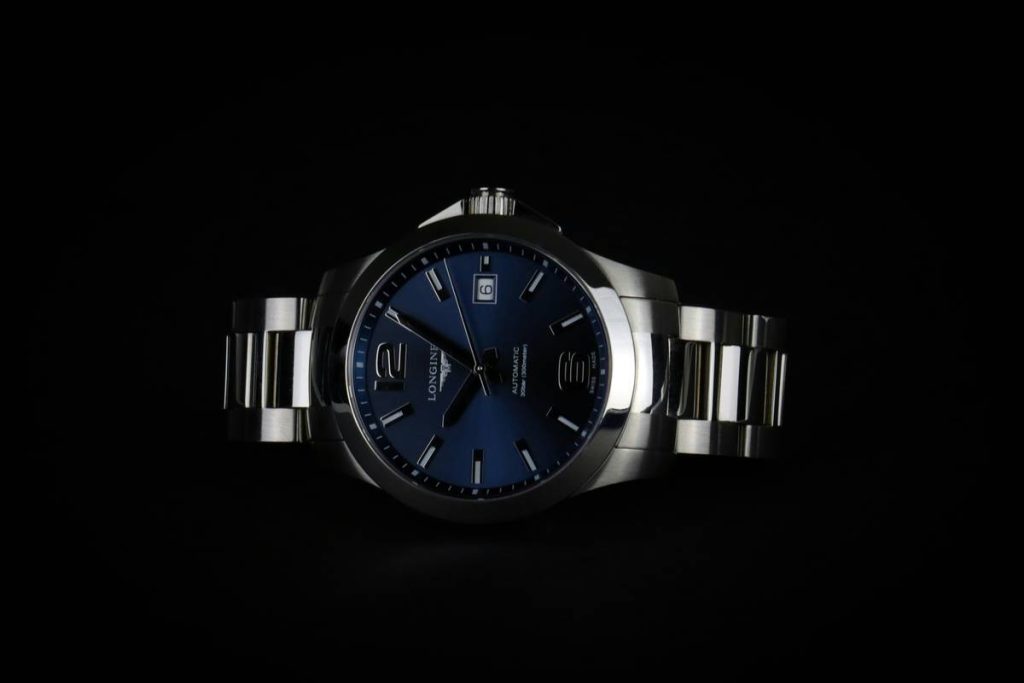
You bought a stunning timepiece—only to realize the bezel screams “last season” or clashes with your favorite cufflinks. Most people treat bezel color as an afterthought. Big mistake. The wrong shade can cheapen even a luxury watch; the right one commands attention without saying a word. Here’s how to master watch bezel color choices like a bespoke accessories designer.
Why Off-the-Shelf Bezel Colors Fail 9 Out of 10 Wearers
Manufacturers optimize for mass appeal—not your wrist. That gunmetal bezel? Looks aggressive on a boardroom-ready dress watch. A glossy black ceramic might dominate a minimalist dial you paid $2,000 for. And don’t get me started on “trendy” rose gold that fades faster than last summer’s TikTok dance.
Worse: most guides parrot “match your belt buckle.” Nonsense. Your watch isn’t part of your shoelaces—it’s a standalone statement piece. Context matters more than coordination.
How to Choose Watch Bezel Color Like a Pro (Step-by-Step)
This isn’t about personal preference alone. It’s about contrast, lighting, and psychological perception. Follow this framework:
Step 1: Audit Your Dominant Wrist Environment
Do you wear your watch over shirt cuffs? Bare skin? Under harsh office fluorescents or golden-hour sunlight? Matte titanium vanishes under bright LEDs. Polished steel glares in direct sun. Note your real-world conditions—not Instagram lighting.
Step 2: Match Bezel Finish to Dial Texture—Not Just Color
A sunburst blue dial needs a brushed bezel to diffuse reflection. High-gloss enamel dials demand polished bezels to maintain visual harmony. Mismatched finishes create cognitive dissonance—even if hues technically “go together.”
Step 3: Use the 60-30-10 Rule Backwards
Interior designers use this rule for room palettes. Flip it for watches: let the bezel be the bold 10% accent—not the neutral base. A sage green bezel on a monochrome white dial? Unexpected, but cohesive. Neon orange on a chronograph? Only if the rest of your outfit is silent.

| Bezel Material & Color | Best Paired With | Risk Level | Longevity Score (1-10) |
|---|---|---|---|
| Brushed Stainless Steel | Silver dials, business casual attire | Low | 9 |
| Matte Black Ceramic | Dark straps, sporty or tactical styles | Medium | 8 |
| Glossy Navy Blue | White/silver dials, summer linen outfits | High | 6 |
| Brushed Bronze | Tan leather straps, vintage-inspired collections | Very High | 5 |
The Industry Secret: Bezels Are Meant to Age—Strategically
Here’s what luxury ateliers won’t advertise: some bezels are engineered to patina. Yes, that bronze bezel isn’t fading—it’s evolving. Collectors pay premiums for evenly aged copper tones that tell a story. But mass-market buyers panic when their “gold” turns dusky. The fix? Demand transparency on oxidation rates before purchasing. Ask: “Is this PVD-coated (permanent) or raw metal (living)?” One reseller I know quietly swaps PVD-coated bezels for raw ones on vintage restorations—charging 3x more for the “authentic aging potential.” Know what you’re buying.
Frequently Asked Questions
Can I change my watch bezel color after purchase?
Yes—if it’s not integrated. Many brands (like Tudor, Omega) sell replacement bezels. Independent modders can refinish or coat existing ones. Just confirm water resistance remains intact post-mod.
Does bezel color affect resale value?
Dramatically. Rare OEM colors (e.g., Rolex “Root Beer”) skyrocket. Custom paints often tank value unless documented by a renowned workshop. Stick to factory options for investment pieces.
What’s the safest bezel color for daily wear?
Brushed stainless steel or matte black ceramic. They hide scratches, suit 90% of wardrobes, and never scream “trying too hard.”