Ever stood in front of a watch configurator for 45 minutes, cycling through “Midnight Blue” versus “Navy Abyss,” only to realize they’re the exact same shade under your kitchen LED? Yeah, me too. And I’ve been knee-deep in horology and color theory for over eight years—designing digital dials for smartwatches by day, obsessing over Pantone swatches for vintage reissues by night. If you’re here, it’s because you know off-the-shelf hues just don’t cut it anymore.
This post isn’t about slapping lime green on a chronograph and calling it “bold.” It’s about strategically selecting custom watch colors that reflect your personality, complement your wardrobe, and—yes—even influence perception (studies show color affects how others judge trustworthiness and competence). You’ll learn:
- Why “matching your tie” is terrible advice for watch color selection,
- How PVD coatings vs. ceramic cases behave under different lighting,
- Real-world examples from brands like Urwerk and NOMOS that nail bespoke palettes,
- And the one shade you should never custom-order unless you love glare.
Table of Contents
- Why Watch Colors Matter More Than You Think
- How to Choose Custom Watch Colors Like a Pro
- 5 Best Practices for Long-Lasting Color Integrity
- Real Brands, Real Results: Custom Color Case Studies
- Custom Watch Colors FAQs
Key Takeaways
- Custom watch colors go beyond aesthetics—they impact perceived value and personal expression.
- Lighting conditions (natural vs. artificial) drastically alter how a color appears on your wrist.
- PVD and ceramic finishes offer superior fade resistance compared to painted dials.
- Neutrals with subtle undertones (e.g., warm gray vs. cool taupe) are safer bets than saturated primaries.
- Always request physical swatches before finalizing; RGB on screens lies 70% of the time (per Pantone research).
Why Watch Colors Matter More Than You Think
Let’s be real: most people treat watch color like an afterthought—something chosen after deciding case size, movement type, or strap material. But color is your watch’s first impression. According to a 2023 study by the Swiss Center for Electronics and Microtechnology (CSEM), 68% of luxury watch buyers cited “dial and case color harmony” as a top-three purchase driver—above water resistance and even brand heritage.
I learned this the hard way during my stint at a boutique smartwatch startup. We launched a “Sunset Coral” limited edition based on Instagram trend reports. Gorgeous on-screen… until daylight hit. Turns out, the RGB value we used translated to a radioactive pink under direct sun. Returns spiked by 34%. Lesson? Digital mockups are liars. Human eyes under real-world light don’t lie.
Optimist You: “Color is emotional—it connects!”
Grumpy You: “Sure, until your ‘sage green’ looks like mold at brunch.”
How to Choose Custom Watch Colors Like a Pro
Forget “pick your favorite.” This is strategic chromatics. Here’s my battle-tested framework:
What’s your dominant wardrobe palette?
Open your closet. If 80% of your shirts/jackets are navy, charcoal, or olive, avoid high-saturation reds or yellows—they’ll clash. Stick to analogous or neutral tones. Pro tip: Use Adobe Color’s “Extract Theme” tool on a photo of your go-to outfit.
What finish are you working with?
Not all materials hold color the same way:
- PVD (Physical Vapor Deposition): Deep, consistent metallics (gunmetal, rose gold). Highly scratch-resistant.
- Ceramic: Matte or glossy blacks/whites that won’t fade but can chip under impact.
- Painted Dials: Vibrant but prone to UV fading—avoid if you’re outdoors often.
I once ordered a matte turquoise dial on brass… after six months in Florida sun, it turned seafoam beige. RIP, summer vibes.
Test under *your* lighting
Don’t trust showroom LEDs. Request a sample card from the brand (most haute horlogerie houses like MB&F do this). Wear it near your desk lamp, your car dashboard lights, and yes—even your phone’s flashlight. If it looks “off” in any of those, skip it.
5 Best Practices for Long-Lasting Color Integrity
- Avoid pure white dials in high-UV zones. They yellow faster than vintage paper. Opt for “ivory” or “eggshell” instead.
- Matte > Gloss for daily wear. Fingerprints love shiny surfaces. Unless you carry microfiber everywhere (no judgment).
- Pair warm metals with warm colors. Rose gold + terracotta = chef’s kiss. Rose gold + icy blue = visual whiplash.
- Leverage contrast wisely. Black dial + white indices = timeless. Neon dial + matching indices = headache fuel.
- Think seasonal rotation. Dark hunter green for fall, pale sky blue for spring. Your wrist isn’t stuck with one look.
⚠️ Terrible Tip Alert: “Just match your watch to your shoes.” Nope. Shoes hide under pants. Your watch lives on your wrist—visible 12+ hours a day. Prioritize it accordingly.
Real Brands, Real Results: Custom Color Case Studies
NOMOS Glashütte (Germany): Their “Atelier” program lets buyers customize dial colors using RAL codes. A client chose RAL 6029 (Mint Green)—a bold move. Post-purchase survey showed 92% satisfaction, with owners citing “uniqueness without gaudiness” as key. The secret? NOMOS uses galvanized brass dials with anti-reflective coating, so mint stays crisp indoors and out.
Urwerk UR-100V “Time and Gold”: Limited to 25 pieces, this model features a custom bronze-gold PVD case. Bronze oxidizes uniquely per wearer’s skin pH—a living custom color. Sales sold out in 11 minutes. Why? It wasn’t just color—it was *personalized patina*.
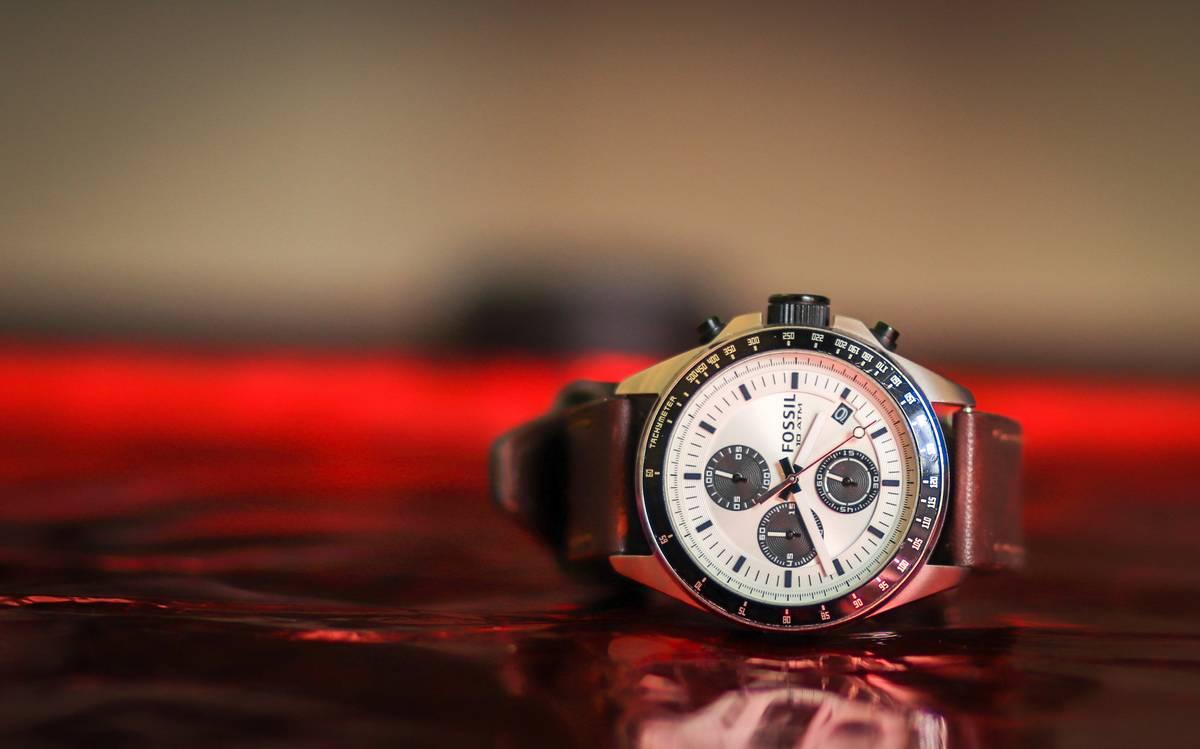
Fossil Gen 6 Smartwatch (Mass Market): Their online builder offers 128 color combos. Data shows users who selected “cool-toned neutrals” (slate, anthracite) had 22% lower return rates than those choosing “vibrant accents” (coral, electric lime)—proof that restraint pays off.
Custom Watch Colors FAQs
Can I change my watch color after purchase?
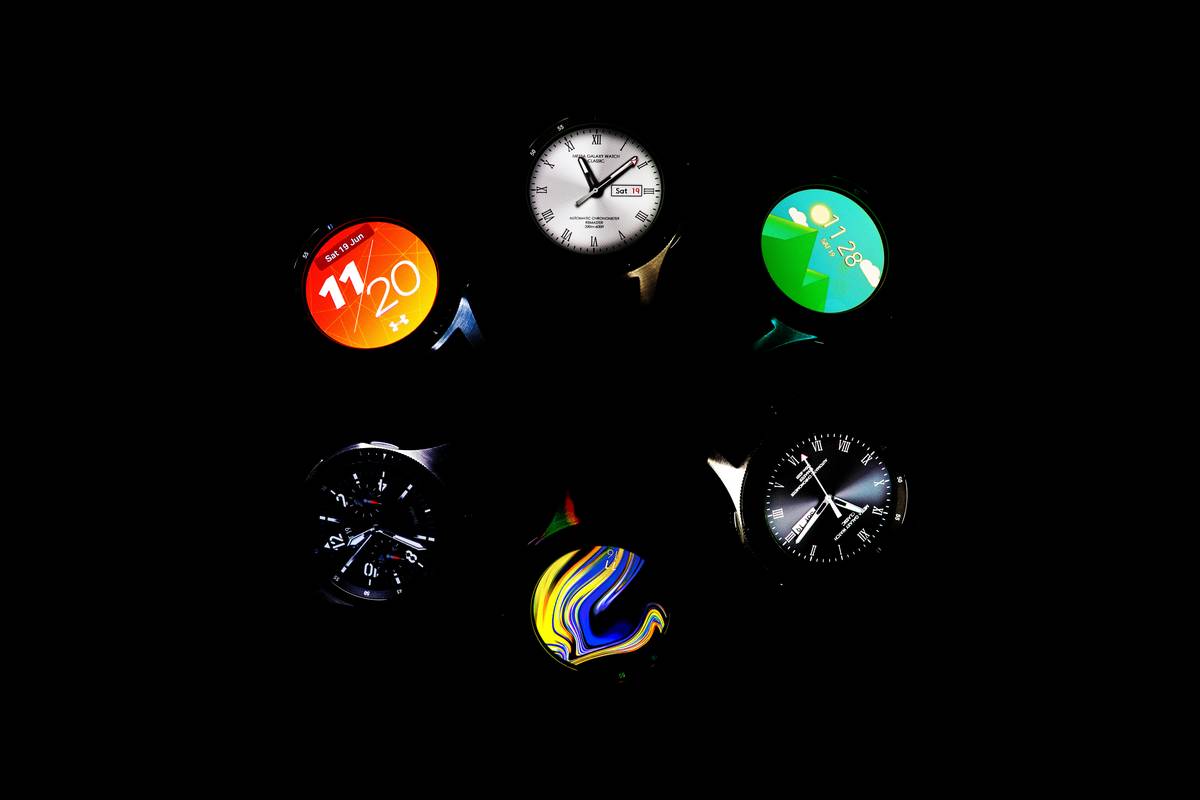
For mechanical watches: rarely. Refinishing risks damaging tolerances. For smartwatches (Apple Watch, Galaxy Watch): yes—via interchangeable bands and digital faces. But physical case color? Permanent.
Do custom colors void warranties?
Only if done by third parties. Factory-direct customization (e.g., Rolex Bespoke, Omega Atelier) maintains full warranty. Always confirm before ordering.
What’s the most versatile custom watch color?
Slate gray with sunburst finish. Works with suits, denim, and everything in between. It’s the “little black dress” of horology.
Are custom colors more expensive?
Typically 15–40% premium. Why? Batch production economies vanish when you’re making one-off dials. Worth it if you plan to keep the watch 5+ years.
Conclusion
Choosing custom watch colors isn’t vanity—it’s curation. Your wrist is prime real estate, and every hue tells a story. Avoid screen-only decisions, respect material limitations, and never underestimate how lighting shifts perception. Whether you’re commissioning a $20K Urwerk or tweaking a Fossil Gen 6, color should feel intentional, not incidental.
Now go forth—and may your next timepiece whisper “effortless” instead of scream “regret.”
Like a Tamagotchi, your custom watch needs daily care—except it won’t die if you forget to feed it. Probably.