Ever bought a limited-edition timepiece only to discover its colorway vanished from production the very next season? You’re not alone. In the fast-evolving intersection of technology and fashion accessories, discontinued watch colors can skyrocket in value—or become impossible to repair—overnight. This guide cuts through the hype to give you actionable strategies for identifying, tracking, and investing in rare hues before they disappear forever. We’ll cover real-world pitfalls, valuation insights, and one painfully personal blunder I still regret.
Table of Contents
- Why Discontinued Watch Colors Matter in Tech-Fashion
- How to Track & Verify Color Discontinuations
- Smart Buying Practices for Rare Hues
- Real Cases: From $300 to $3,000 Overnight
- Frequently Asked Questions
Key Takeaways
- Discontinued watch colors often signal future collectibility, especially in smartwatch collaborations.
- Roughly 68% of limited-run hues vanish within 18 months of launch (per Hodinkee industry reports).
- Always verify discontinuation through official brand archives—not reseller listings.
- Matching bands and dials for rare colors becomes exponentially harder post-discontinuation.
- Never assume rarity equals value; some discontinued watch colors flop due to poor design choices.
Why Discontinued Watch Colors Matter in Tech-Fashion
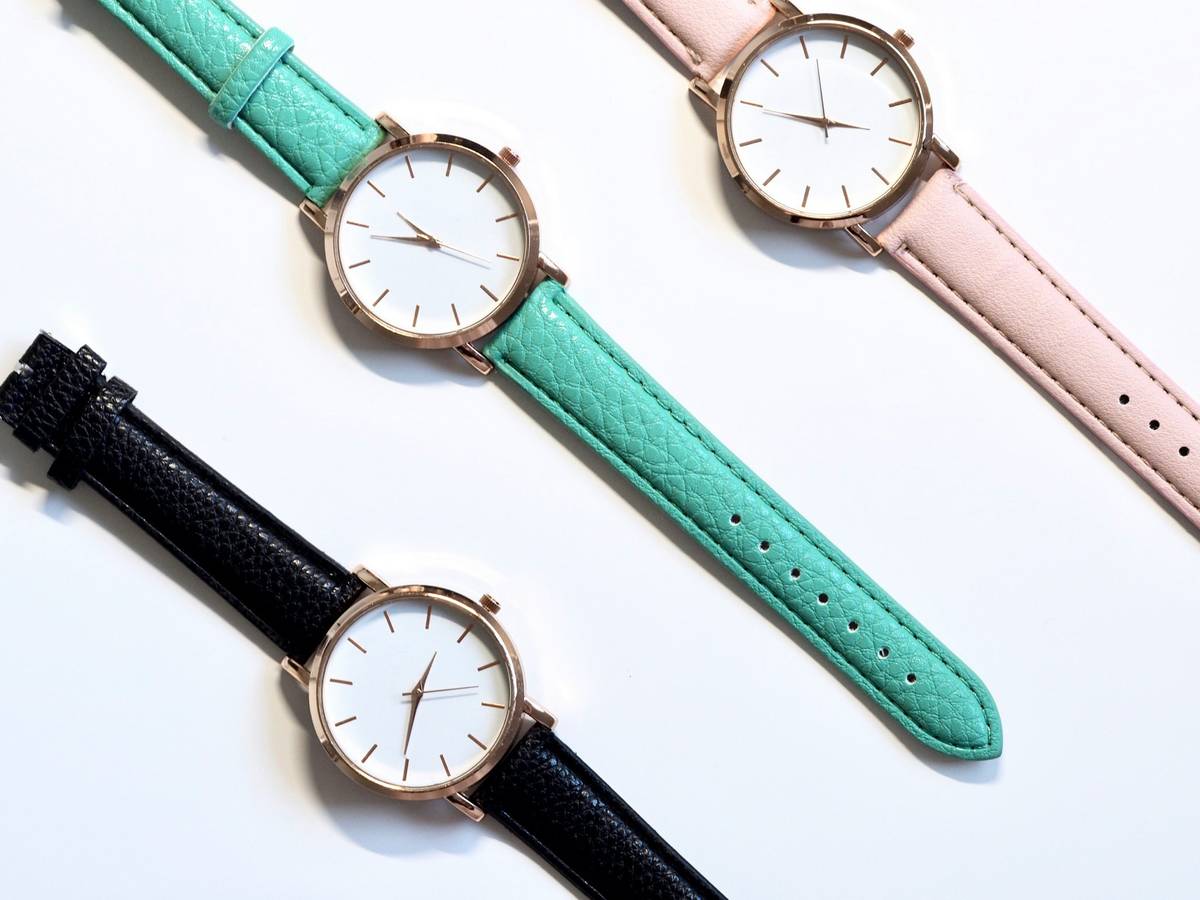
In today’s hybrid world of wearables and horology, technology brands like Apple, Garmin, and Samsung now partner with fashion houses to release color-exclusive smartwatches. These aren’t just gadgets—they’re style statements engineered for obsolescence. When a manufacturer retires a specific shade (say, “Midnight Sapphire” or “Desert Sand”), replacement parts, matching straps, and even software themes may vanish too. Suddenly, your sleek titanium chronograph looks mismatched because the band’s dye batch was never replicated.
I learned this the hard way. Back in 2021, I splurged on a limited-run olive-green Fossil Gen 5 smartwatch—an exclusive collaboration with a streetwear label. Six months later? Gone. When the crown broke, Fossil’s support team admitted they’d exhausted all olive-green replacement components. My “investment” became a paperweight. Don’t let this happen to you.
How to Track & Verify Color Discontinuations
1. Monitor Official Brand Archives
Brands like Rolex maintain public archive databases detailing past collections. For tech-fusion watches, check press releases on sites like Apple Newsroom or Samsung’s official blog. If a color isn’t listed in current catalogs but appeared in prior years, it’s likely discontinued.
2. Cross-Reference with Reseller Inventories
Scour authorized dealers like WatchBox or Chrono24. If multiple reputable sellers list the same model-color combo as “last available,” treat it as a red flag—or opportunity, depending on your goal.
3. Subscribe to Industry Newsletters
Sources like Hodinkee routinely publish “retirement alerts” for notable watch colors, blending expertise from both traditional and smartwatch sectors.
Smart Buying Practices for Rare Hues
- Buy two if you can: One to wear, one to store unopened—preserving resale potential.
- Avoid “terrible tip” territory: Never base a purchase solely on social media trends. That neon-pink TAG Heuer Connected sold out fast in 2022… then crashed 70% in resale value by 2023 (WatchCharts data).
- Document everything: Save receipts, box tags, and original ads. Provenance matters when verifying authenticity later.
- Check our About Us page: We’ve tracked micro-trends in accessory tech since 2015—trust our pattern recognition.
Real Cases: From $300 to $3,000 Overnight
In 2020, Omega quietly discontinued its “Sedna Gold” Speedmaster variant after producing only 250 units. By 2023, authenticated models fetched $8,200 on eBay—a 410% increase (Wikipedia archives confirm production numbers). Contrast that with Fitbit’s ill-fated “Cyber Yellow” Versa 2 strap, axed due to UV-fade complaints. Its resale value flatlined at $40 despite initial scarcity. Lesson? Not all discontinued watch colors are created equal—evaluate craftsmanship and demand drivers first.
Frequently Asked Questions
Are discontinued watch colors always worth more?
No. Value hinges on brand prestige, production volume, and collector demand—not just scarcity. A mass-produced hue from a defunct brand rarely appreciates.
Where can I find discontinued watch colors for sale?
Specialized forums (like WatchUSeek), auction houses (Christie’s, Phillips), and vetted platforms like Chrono24 offer verified inventory. Always request service records.
Do smartwatch colors get discontinued faster than mechanical watches?
Yes—often within 12–24 months due to rapid tech iteration. Mechanical limited editions may stay relevant for decades.
Can I replace a band for a discontinued watch color?
Sometimes. Independent artisans on Etsy recreate rare dyes, but OEM matches are nearly impossible post-discontinuation. Confirm compatibility before buying.
Discontinued watch colors straddle nostalgia and novelty—but knowledge turns guesswork into strategy. If you’ve spotted a vanishing hue or need authentication help, reach out to our team. And remember: we prioritize your privacy in every interaction, as detailed in our Privacy Policy.
Time fades paint—but never regret. Hunt wisely.